
Why Athletes Should Consult a Sports Orthopaedic Specialist in Bangalore
- Dr. Kushalappa Subbiah

- Oct 16, 2025
- 5 min read
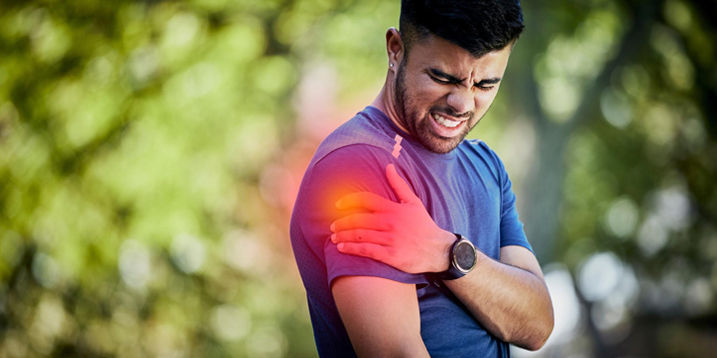
In Brief: Sports injuries can happen to anyone—from professional athletes to weekend players. Consulting a sports orthopaedic specialist in Bangalore ensures accurate diagnosis, targeted treatment, and faster, safer recovery. These specialists understand the biomechanics of sports movements, helping athletes return to peak performance while preventing re-injury.
In today’s active world, injuries are no longer limited to professional athletes. Recreational players, fitness enthusiasts, and young athletes all face orthopaedic challenges, from ligament tears to chronic joint pain. However, treating sports-related injuries requires a deep understanding of biomechanics, movement patterns, and sport-specific stress on the body.
A sports orthopaedic specialist is trained to identify and manage these unique injuries, offering both surgical and non-surgical treatments that help athletes recover faster and perform better. In a city like Bangalore, home to diverse sporting talent and training academies, having access to an experienced sports orthopaedist can make all the difference.
Why Athletes Need a Sports Orthopaedic Specialist
General orthopaedists handle a wide range of bone and joint conditions, but sports orthopaedic specialists focus specifically on injuries caused by athletic activity. Their expertise lies in diagnosing complex injuries that affect performance, such as ligament tears, tendon ruptures, and overuse injuries.
Sports orthopaedists combine medical science with an understanding of athletic mechanics. This means they do not just treat pain; they identify its root cause, evaluate muscle balance, and ensure athletes regain their strength, stability, and confidence. For professionals and enthusiasts alike, this kind of targeted approach prevents future injuries and supports long-term career sustainability.
What to Look for in a Sports Orthopaedic Specialist
1. Advanced Training in Sports Medicine:
A qualified sports orthopaedist typically holds a Sports Medicine Diploma or Fellowship in addition to standard orthopaedic training. This advanced education equips them to manage both acute injuries and long-term musculoskeletal conditions. It also ensures they are familiar with global best practices and the latest treatment techniques used for professional athletes.
2. Expertise in Shoulder, Elbow and Knee Injuries:
Sports injuries commonly affect high-motion joints like the shoulder, elbow, and knee. Specialists who focus on these areas can diagnose issues like rotator cuff tears, elbow ligament damage, and ACL injuries more precisely. Their surgical precision and rehabilitation planning can mean the difference between a short recovery and long-term complications.
3. Comprehensive, Evidence-Based Treatment Plans:
A good sports orthopaedic specialist combines conservative and surgical treatment approaches. They use physiotherapy, taping, and rehabilitation as first-line options before considering surgery. When surgery is necessary, they follow minimally invasive techniques like arthroscopy for faster recovery and reduced downtime.
4. Understanding of Sports Biomechanics:
Each sport places different demands on the body; a cricketer’s shoulder faces different stress compared to a runner’s knee. A sports orthopaedist understands these nuances, helping tailor treatment and training plans to specific athletic movements. This not only ensures recovery but also enhances performance post-recovery.
5. Experience with Athlete Rehabilitation:
Rehabilitation is as crucial as surgery. Sports orthopaedists work closely with physiotherapists to create structured recovery programs that restore mobility, strength, and endurance. This multidisciplinary approach ensures athletes return to their sport confidently and safely.
Common Sports Injuries That Need Specialist Care
1. Ligament Injuries (ACL, MCL, and Ankle Ligaments):
Ligament tears are among the most common injuries in sports that involve sudden movements or direction changes. Early diagnosis and precise surgical reconstruction by a sports orthopaedist can restore joint stability and prevent chronic instability.
2. Shoulder Dislocations and Rotator Cuff Tears:
Overhead sports like cricket, tennis, and swimming place intense strain on the shoulder. Specialists skilled in shoulder arthroscopy and repair techniques can restore function without compromising the range of motion.
3. Tendon and Muscle Ruptures:
Tendon injuries, such as a ruptured biceps or Achilles tendon, require timely attention. Sports orthopaedists assess the extent of damage and recommend appropriate interventions, whether conservative or surgical.
4. Stress Fractures and Overuse Injuries:
Athletes often underestimate repetitive strain injuries until they worsen. A sports orthopaedist identifies such issues early, preventing them from progressing to fractures or chronic pain conditions.
5. Cartilage and Meniscus Damage:
Sports involving jumping or pivoting, like football or basketball, often lead to cartilage or meniscus tears. With minimally invasive techniques, these injuries can be repaired effectively, allowing faster rehabilitation and return to play.
The Role of a Sports Orthopaedist Beyond Treatment
A sports orthopaedist’s role extends beyond injury management—it is also about performance optimisation and injury prevention. They work with athletes to assess movement patterns, improve posture, and recommend strengthening programs that reduce risk. This proactive approach is invaluable for professionals whose performance depends on staying injury-free.
Additionally, they collaborate with coaches, physiotherapists, and trainers to ensure that athletes return to sport at the right pace, without compromising joint health or long-term performance.
Why Patients Trust Dr. Kushalappa Subbiah
Dr. Kushalappa Subbiah is an orthopaedic surgeon in Bangalore specialising in shoulder, elbow, and sports-related injuries. With advanced training from the Sydney Shoulder Research Institute and a Diploma in Sports Medicine from the International Olympic Committee (IOC), he brings an evidence-based, athlete-centric approach to every case.
His expertise lies in treating high-performance athletes and recreational sports enthusiasts using both surgical and conservative care. Dr. Subbiah focuses on restoring complete function through accurate diagnosis, minimally invasive procedures, and structured rehabilitation. His patient-centric philosophy ensures each athlete receives tailored care to meet their performance goals while safeguarding long-term joint health.
Conclusion: Prioritising the Right Care for Athletic Recovery
Whether you are a professional athlete or an active fitness enthusiast, consulting a sports orthopaedic specialist in Bangalore can be the key to a quicker, stronger, and safer recovery. From preventing future injuries to restoring optimal movement, the right specialist ensures you perform at your best.
If you are dealing with a persistent sports injury or discomfort affecting your performance, consider consulting a trusted expert like Dr. Kushalappa Subbiah for comprehensive care that is built on precision, science, and compassion.
Frequently Asked Questions (FAQs)
1. What does a sports orthopaedic specialist do?
A sports orthopaedic specialist diagnoses and treats injuries related to athletic activities such as ligament tears, shoulder dislocations, and tendon ruptures. They focus on restoring function, improving performance, and preventing re-injury through surgery, rehabilitation, and performance-based therapy. Consulting a sports orthopaedist ensures faster and safer recovery for athletes and fitness enthusiasts.
2. When should an athlete see a sports orthopaedic doctor?
An athlete should consult a sports orthopaedic doctor if they experience persistent joint pain, restricted movement, swelling, or recurring injuries during training. Early assessment helps prevent further damage and speeds up recovery. Sports orthopaedists provide personalised treatment plans to help athletes return to peak performance efficiently and safely.
3. How is a sports orthopaedic specialist different from a general orthopaedist?
A general orthopaedist treats bone, joint, and muscle conditions across all age groups, while a sports orthopaedic specialist focuses on injuries caused by sports and physical activity. They understand sport-specific biomechanics and design targeted rehabilitation programs to enhance performance and reduce downtime after injury.


Comments